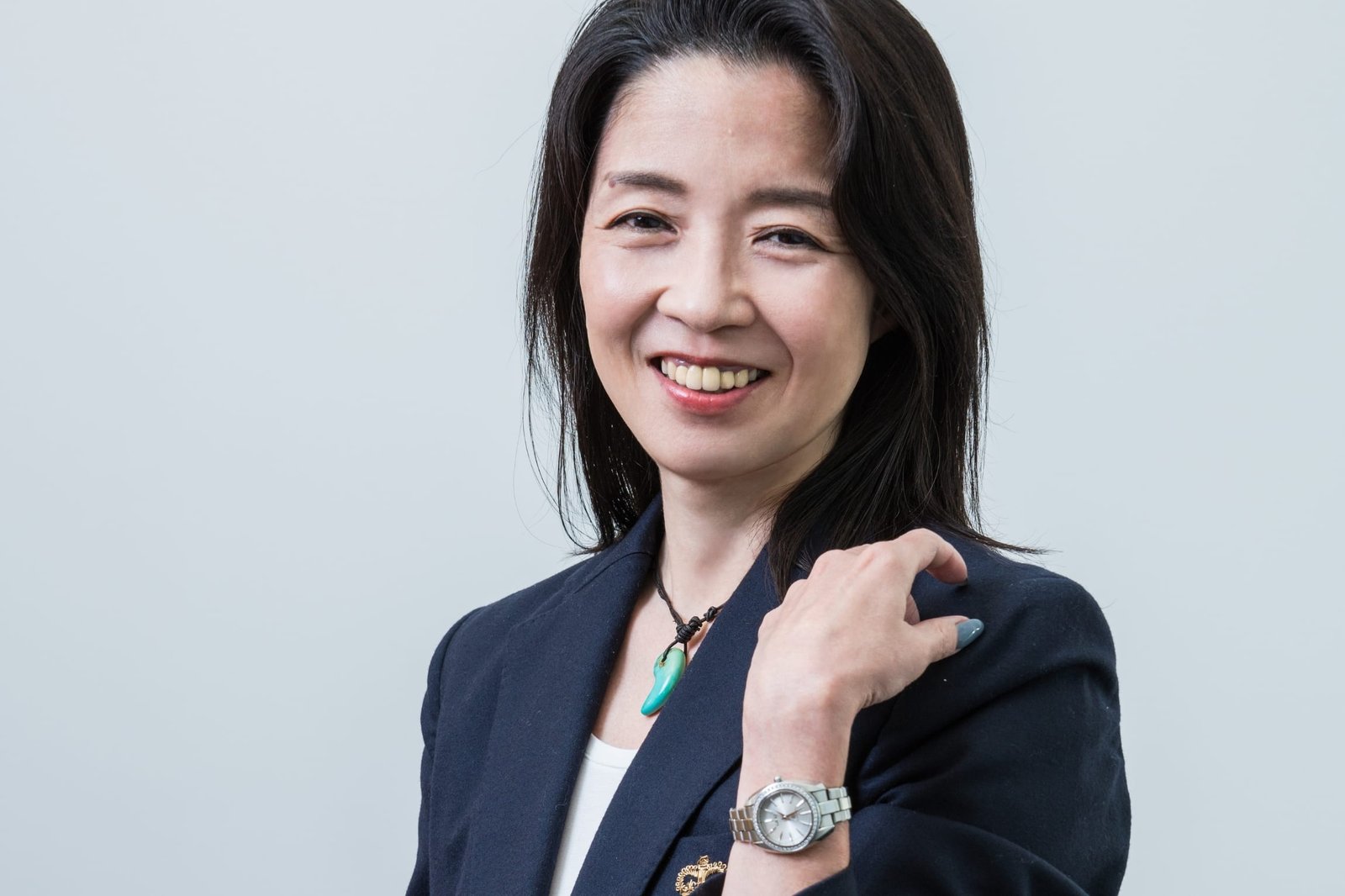
Her Hour: Kiyomi Tanemura and the Enduring Spirit of Seiko

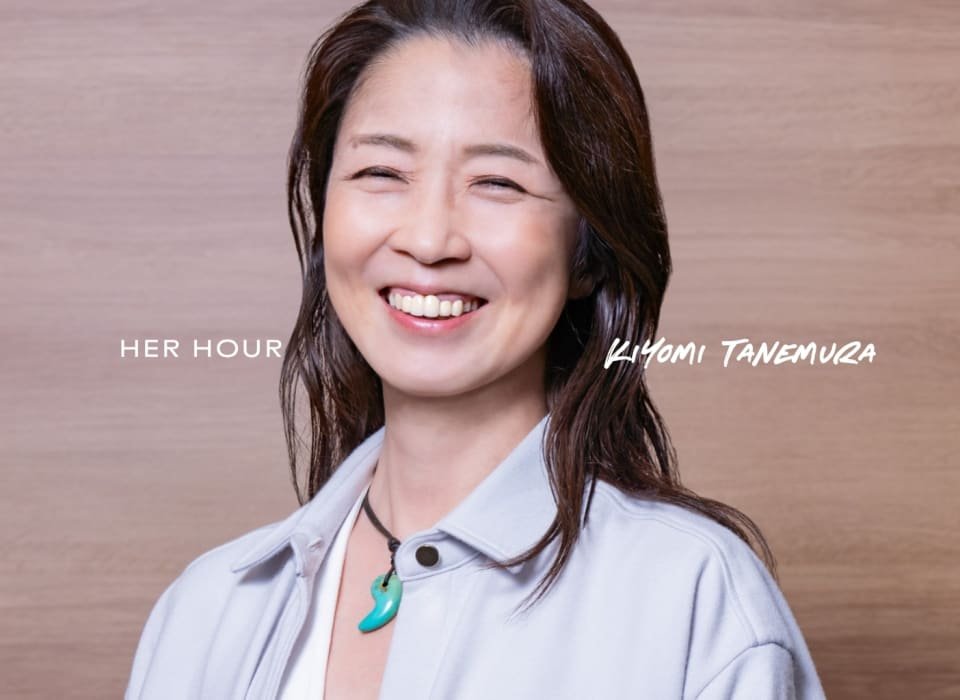
Seiko has long balanced its heritage with a forward-thinking approach to watchmaking. Few companies are as synonymous with the relentless pursuit of precision and craftsmanship, and few leaders embody these ideals as authentically as Ms. Kiyomi Tanemura, Senior Vice President of Seiko Watches. In a wide-ranging interview, she sheds light on the ethos of Seiko, the intricate legacy of its watchmaking, the real challenges of leading in such an esteemed company, and the evolving role of women in a historically male-dominated industry.
A Designer’s Journey
Tanemura’s fascination with watches began back in her product design days at university – an interest that grew steadily as she found herself drawn deeper into watchmaking. She describes this world as breathtakingly deep and filled with mastery. She credits the diverse professionals she has worked with — designers, engineers, movement adjusters, assemblers, and factory workers — for expanding her appreciation of the field. Each person, she notes, is a specialist, fiercely devoted to the minute details that distinguish ordinary craftsmanship from world-class art.
This culture of meticulousness was a revelation. “There wasn’t a specific moment when my ‘liking’ for wristwatches turned into ‘passion,’” Tanemura recalls. Instead, it was the daily joys and the privilege of designing watches as complete products, and the challenge of continuously improving amidst experts, that stoked her enthusiasm for the craft. This steady, incremental growth of passion now underpins her leadership philosophy.
Seiko’s Spirit of Craft
Since its founding over 140 years ago, Seiko has had “precision” at its very core; so much so that “Seiko” itself means “precision” in Japanese. The original founder’s spirit of challenging the norm and striving to be “always one step ahead of the rest” has flourished not as a codified doctrine but as a living, breathing organizational culture. Even though there is no formal curriculum instilling founder’s values into employees, Tanemura marvels at how this ethos has filtered into every department, reaching even the most specialized corners of parts manufacturing. The company has evolved with technological advancements and customer needs, never hesitating to experiment, yet always retaining its intangible spirit of challenge and ingenuity. “I take pride in the spiritual tradition that has been passed down,” Tanemura affirms, “even though it is neither explicitly documented nor orally transmitted.”
Leadership and Milestones
Guiding the design section of a multifaceted brand like Seiko means navigating complexities often invisible to the public eye. Unlike companies with a single owner or unified command, Seiko’s decisions arise from collaborative adjustments across various departments. The brand’s multilayered structure, which includes several product lines under the Seiko umbrella, means strategy is a constant exercise in negotiation and vision alignment. One of Tanemura’s most pivotal career moments was choosing to move from Seiko’s manufacturing side, where design primarily focused on Quality, Cost, and Delivery, to the sales division, which demanded a broader marketing and branding outlook. This shift mirrored the larger transformation in Japanese manufacturing. The days of “build it and they will come” were ending, making branding and strategy fundamental in design. Tanemura describes the ongoing balancing act of integrating mid- and long-term brand visions with design strategies. The responsibility to maintain brand integrity, ensure alignment, and innovate while respecting tradition is an unending challenge but also an invigorating one.